At five o’clock on a Saturday morning, Harbor Street is dark and wet and smells of diesel. By six, the first vans have backed up to the old fish hall. By eight, it is so busy that the stallholders have to shout their prices over the crowd. It has been like this, more or less, since 1926.
Harbor Street Market began as an auction for the fish that came off the boats at the quay. Farmers from the valley started selling eggs and butter from carts at the edge of the auction, then cheese, then bread. The fish auction moved to the new port in 1981. The market stayed.
- years of Saturday markets on Harbor Street
- 100
- stalls on a busy Saturday in October
- 86
- shoppers through the fish hall on an average Saturday
- 12,000
- the furthest any produce can travel to be sold here
- 50 miles
The fish hall
The hall itself is a long brick shed with a glass roof, built in 1926 and listed in 1990, which means the market cannot change it and the city cannot easily knock it down. In winter it is freezing. In summer the glass roof turns it into a greenhouse.
Inside, the stalls are arranged by a system nobody can fully explain. The oldest families have the pitches nearest the doors, and they hand them down. June Achebe, who has run the bread stall for nine years, is still considered new.
You do not choose your pitch here. You inherit it, or you wait for someone to retire. I waited six years.
June Achebe, baker
The 50-mile rule
Since 1974 the market has had one rule above all others: everything sold must be grown, caught or made within 50 miles of the hall. It was written to keep out wholesalers. It also means the market changes completely with the seasons, and that in March there is very little to buy except potatoes, leeks and stored apples.
A century on Harbor Street
-
1926
The fish hall opens
The city builds a brick auction hall on the quay. Farmers sell from carts outside.
-
1952
The farmers move inside
A dozen farmers win the right to sell under the glass roof on Saturdays.
-

1974
The 50-mile rule
Stallholders vote to sell only what is grown, caught or made within 50 miles.
-
1981
The fish auction leaves
The auction moves to the new port. The market keeps the hall.
-
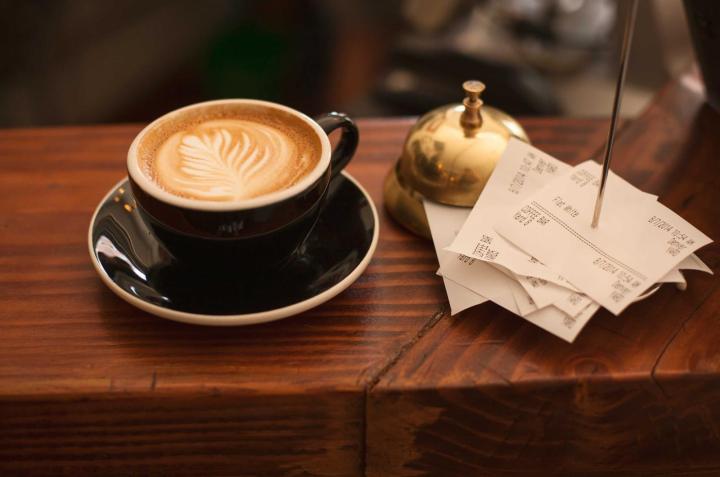
2014
Coffee and breakfast
The first hot-food stalls open. Saturdays start getting busy at seven, not nine.
-
2026
The centenary
The market turns 100, with 86 stalls and a waiting list of 140.
What it is worth
A study for the city last year estimated that the market brings $14 million a year into the streets around it. The cafés on Harbor Street open early on Saturdays because of it; the bookshop on the corner says Saturday is half its week.
The next hundred years
The hall needs a new roof, and the bill is $3.2 million. The city has offered half, on condition that the market opens on Sundays too. Many of the stallholders are farmers who already work seven days a week, and they are not keen.
People think a market is a nice thing that just happens. It is eighty-six small businesses, every one of them up at four.
Tom Herrera, chair of the stallholders’ association
The stallholders vote in November. Whatever they decide, the vans will back up to the hall at six next Saturday, and the one after that.